

Style Persona

Finding Your Style Persona: A Step-by-Step Guide to Signature Style

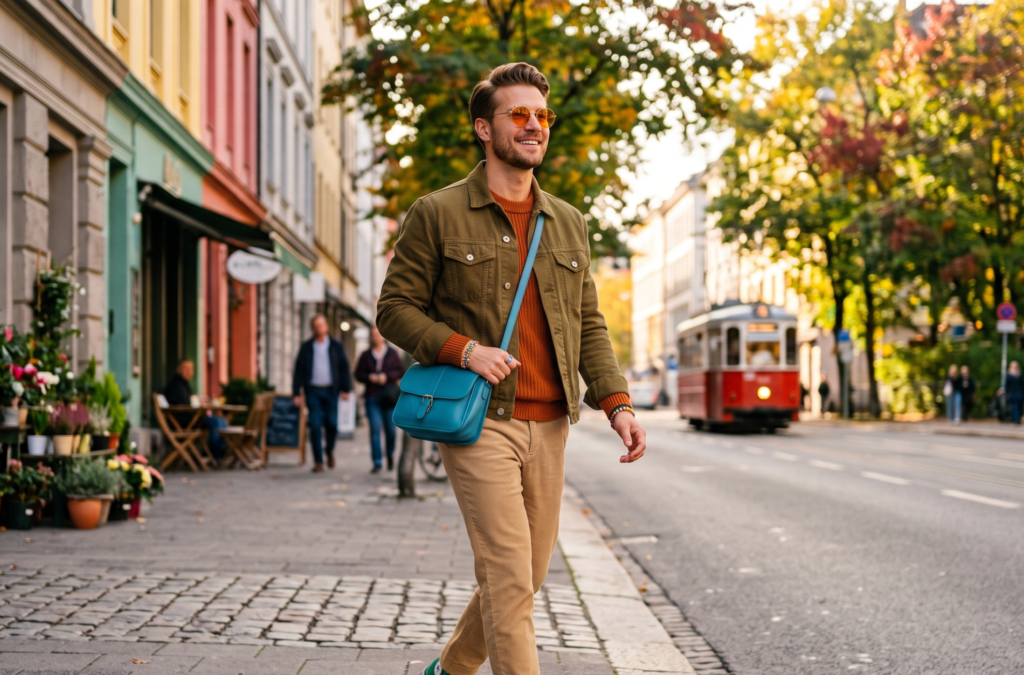
Ever stood in front of a closet so packed the hangers are practically welded together, only to mutter, “I have absolutely nothing to wear”? It is the universal fashion paradox. The issue is rarely a lack of clothing. The issue is a lack of cohesion. Over the years, we impulse-buy a random trend here, a flash-sale item there, and maybe a jacket for a completely different life we thought we’d be living. The result is a wardrobe that feels like a crowded room full of strangers who have nothing to say to each other. Getting dressed shouldn’t feel like solving a math equation every morning. It should feel like stepping into a character. That is exactly what a Style Persona does. It isn’t a rigid uniform or a set of restrictive rules; it is a visual anchor. When you know your persona, shopping becomes ruthlessly efficient, getting dressed becomes intuitive, and you walk out the door looking like the main character in your own cinematic universe. Here is how to cut through the noise and build a signature style that actually looks—and feels—like you.   Step 1: The Ruthless Audit You cannot build a new identity on top of a crumbling foundation. Before you buy a single new piece of clothing, you have to face the ghost town of your current closet. Take everything out. Yes, everything. As you evaluate each piece, ignore what is currently trending or how much you spent on it three years ago. Ask yourself two questions: Does this fit the way my body is shaped right now? and Do I feel powerful when I put this on? If you put on a jacket and immediately want to slouch, get rid of it. If you have a pair of trousers that require you to adjust them every time you stand up, donate them. You are looking for the “Love” pile—the items that make you feel sharp, comfortable, and confident. The common denominators in this pile (maybe they are all heavy textures, or all structured, high-contrast pieces) are the first clues to your true aesthetic. Step 2: Curate Your Cinematic Mood Board This is where you stop looking at what you have and start looking at what you want. But here is the secret: do not just look at fashion influencers. Look at the broader visual world that genuinely excites you. Start collecting images. If you are drawn to the moody, high-contrast lighting of a neo-noir film, save those stills. If you love the crisp, depth-of-field look of an editorial street-style photograph shot on an 85mm lens, pin it. Pay attention to architecture, luxury cars, and interior design. Often, a preference for a glossy, black luxury aesthetic in cars or furniture translates perfectly into a love for sleek, monochromatic dressing and sharp leather jackets. Gather these images for a week or two without overthinking it. Just react. Step 3: Find the Visual Through-Line Once you have a solid collection of images, zoom out and look at the grid as a whole. Your brain will naturally start to pick up on the patterns you’ve subconsciously created. Silhouettes: Are you leaning toward oversized, draped shapes, or crisp, tailored lines? Color Palette: Is the board dominated by the rich, earthy tones of dark academia, or is it a stark, high-contrast mix of black, white, and chrome? Textures: Do you see heavy, matte fabrics like wool and denim, or slick, light-reflecting materials like leather and silk? This step bridges the gap between abstract inspiration and actual clothing. You aren’t just looking for outfits to copy; you are extracting the mood of the images to apply to your own closet.   Step 4: Name Your Persona This sounds a little theatrical, but it is the most effective psychological trick for maintaining your style. Give your aesthetic a specific title. Naming it turns an abstract concept into a concrete filter for future decisions. Look at the patterns you found in Step 3 and give that person a name. The Neo-Noir Protagonist: Built on sharp tailoring, dark monochromatic palettes, heavy leather coats, and high-contrast styling. The Dark Academia Architect: Defined by rich textures, heavy knits, perfectly fitted trousers, and a slightly vintage, intellectual edge. The Editorial Street-Style Purist: Focused on high-end streetwear, exaggerated proportions, immaculate sneakers, and deliberate layering. When you are holding a piece of clothing in a store, you can now ask yourself: Would the Neo-Noir Protagonist wear this? If the answer is no, put it back. You just saved yourself money and closet space.   Step 5: Master the Hardware and Grooming A signature style never stops at the fabric. The details are what separate a decent outfit from a fully realized persona. Think about your hardware. The weight of a luxury wristwatch slipping out from under a tailored cuff, or the subtle, confident flash of a Cuban chain against a dark, minimalist t-shirt—these elements add an entirely new layer of texture and intent to your look. Accessories shouldn’t be an afterthought; they should look like permanent fixtures of your identity. The same goes for grooming. You can wear the best clothes in the world, but if your grooming is neglected, the illusion breaks. A modern, meticulously maintained hairstyle that actually suits your face shape is just as crucial to your Style Persona as your footwear. The sharpest outfit requires a sharp canvas. Step 6: The Trial Run and Evolution Finding your style is not a weekend project; it is an evolution. Once you have defined your persona and identified the gaps in your wardrobe, start slowly filling them with high-quality foundation pieces. Road-test your new uniform. Notice how your posture changes when you wear an outfit that feels deliberately chosen rather than thrown together. Notice how people react to you. When you look like you know exactly who you are, the world tends to treat you accordingly. Remember that you are allowed to evolve. The persona you build today might shift as your life, tastes, and environments change. The […]
Dressing

Dopamine Dressing: How the Colors You Wear Actually Change Your Mood

We’ve all had those mornings. The alarm goes off too early, the sky outside is a miserable shade of concrete, and you feel entirely uninspired. On days like this, the instinct is almost universal: you reach for the gray sweatpants, the oversized black hoodie, or whatever faded t-shirt happens to be at the top of the laundry pile. You dress exactly how you feel—tired, muted, and blending into the background. But what if, instead of matching your outfit to your bad mood, you used your closet to actively hack your brain? Enter “dopamine dressing.” You might have seen the term floating around TikTok or fashion magazines over the last couple of years. At first glance, it sounds like just another fleeting internet micro-trend, usually accompanied by photos of influencers wearing head-to-toe neon green or mixing hot pink with caution-tape yellow. But if you strip away the social media exaggeration, dopamine dressing is actually rooted in a very real psychological concept called enclothed cognition. Simply put: what you wear directly affects how you think, how you carry yourself, and—most importantly—how you feel. And the most powerful tool in this psychological wardrobe hack is color. The Science of Getting Dressed Dopamine is the neurotransmitter in our brains responsible for feelings of pleasure, satisfaction, and motivation. It’s the rush you get when you eat a great meal, hear your favorite song, or get a compliment from a stranger. When it comes to fashion, dopamine dressing is the intentional act of wearing clothes that trigger that exact chemical release. It’s about choosing colors, textures, and silhouettes that make you feel like the main character in your own life. While the trend originally focused on bright, saturated hues, the truth is a lot more nuanced. Color psychology is highly personal. What brings one person absolute joy might give someone else a headache. To actually make dopamine dressing work for you, you have to understand the emotional language of your own closet. Here is a breakdown of how different color palettes can shift your mindset, and how to use them on purpose. 1. The Adrenaline Hit: Reds, Oranges, and Yellows Warm colors are the sartorial equivalent of a double shot of espresso. Red is inherently tied to power, passion, and cinematic energy. When you wear a deep crimson sweater or a sharp red leather jacket, you aren’t just putting on clothes; you are demanding to be seen. It raises your heart rate—literally. If you have a day where you need to project supreme confidence, like a major presentation or a first date, red is your armor. Yellow and orange, on the other hand, are pure, unadulterated optimism. They reflect light and immediately brighten the face. You don’t have to wear a banana-yellow suit to get the benefits, either. Sometimes, just a burnt orange beanie or a pair of sneakers with a yellow accent is enough to inject a sense of playfulness into a sluggish Tuesday. 2. The Exhale: Blues, Greens, and Earth Tones If the warm colors are an energy drink, the cool colors are a deep breath. When you feel anxious, overwhelmed, or creatively blocked, wearing blue or green can actually help lower your blood pressure. Think about the physical world: we associate blue with clear skies and deep oceans, and green with forests and open spaces. Wearing a rich emerald green or a soft, tailored navy coat grounds you. These colors are brilliant for days when you need to focus. They communicate reliability and calm, not just to the people around you, but back to yourself every time you catch your reflection in a window. 3. The Cinematic Shield: Black and Neutrals This is where most articles on dopamine dressing get it wrong. They act like black, gray, and brown are the enemies of joy. But let’s be real—sometimes, putting on an all-black outfit is the biggest confidence boost in the world. If your personal aesthetic leans more toward a sleek, neo-noir vibe or sharp, editorial street style, wearing bright pink isn’t going to give you dopamine; it’s going to make you feel like you’re wearing a costume. Black offers a sense of protection, anonymity, and effortless cool. A perfectly fitted black turtleneck, a heavy, glossy leather jacket, or a sharp pair of dark trousers can make you feel untouchable. The dopamine hit here doesn’t come from the brightness of the color, but from the crisp, elevated silhouette and the feeling of luxury it provides. If dark academia or high-end streetwear is your happy place, lean into those rich blacks, charcoals, and deep burgundies. It’s Not Just Color—It’s Texture and Details Dopamine dressing isn’t exclusively a color game. The sensory experience of your clothes plays a massive role in how you feel. Think about the difference between wearing a stiff, scratchy wool sweater versus slipping into a heavy, buttery-soft cotton tee. Think about the cold, satisfying weight of a steel-link watch on your wrist, the shine of a silver Cuban chain, or the way a thick rubber sole on a luxury sneaker hits the pavement. These tactile details matter. When you wear clothes that feel expensive and deliberate against your skin, your brain registers that as an act of self-care. How to Build Your Own Dopamine Wardrobe You don’t need to go out and buy a completely new, rainbow-colored wardrobe to start doing this. Here is how you can start hacking your mood tomorrow morning: 1. Identify your “power pieces.” Go into your closet and pull out the three items you wear when you want to feel like a million bucks. What do they have in common? Is it a specific shade of blue? Is it the heavy, structured fit of a jacket? Once you identify your personal joy-triggers, you can start building outfits around them intentionally. 2. Start with the accessories. If you are used to wearing head-to-toe neutrals and the idea of wearing a bright color terrifies you, start small. A vibrant scarf, a bold pair of socks, or a uniquely […]